
Literacy in Preschool
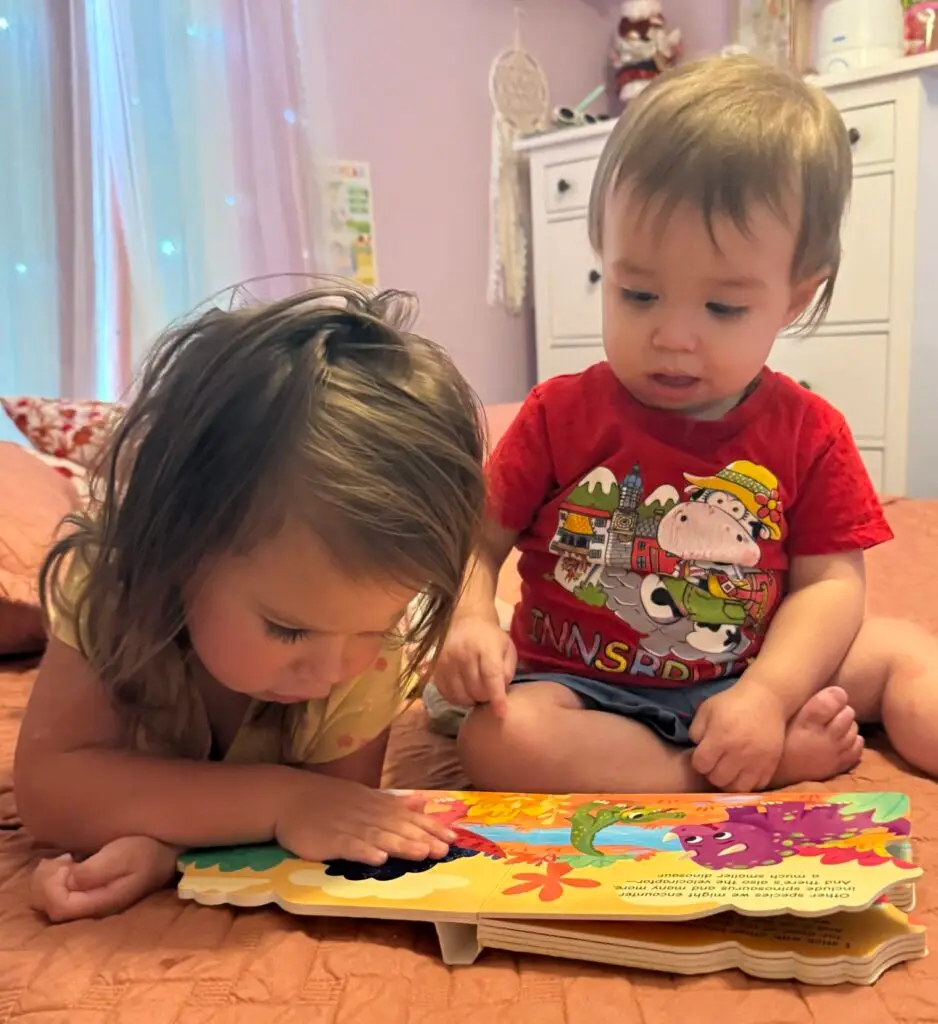
What is Litearcy
The quick and easy answer is literacy is the ability to read and write. Of course there is a lot more to reading and writing than just decoding a words letters. Literacy is broadly defined as:
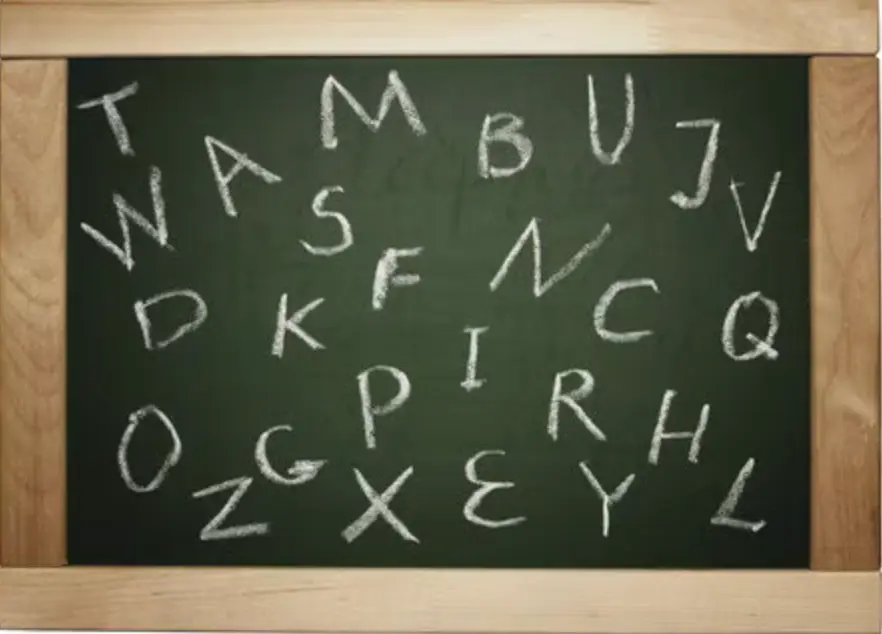
- Text Awareness- being able to identify letters and words in the environment
- Phonics- knowing the sounds of letters and being able to decode words sounds to read and write
- Vocabulary- knowing a variety of words and how to use them in the correct context
- Sequencing- reading something and being able to identify the order in which events happen in the text. Writing or telling stories that have a timeline that makes sense
- Comprehension- understanding and being able to restate the purpose of the text, and writing stories that others are able to understand
- Motivation- the desire to learn from reading a variety of text such as books and articles
Why Literacy Matters in Preschool
The brain is most pliable in the preschool years
Ages 0–5 are a critical period when the brain is most receptive to language and literacy learning.
By age 5, a child’s brain is about 90% developed.
Building literacy skills in preschool prepares the brain to read and learn for life.
Predictor of School Success
Studies show strong links between early literacy skills (alphabet knowledge, oral language, phonemic awareness) and academic achievement.
Vocabulary Gap
Research showed that by age 4, children from language-rich homes hear millions more words than children from homes with fewer language interactions.
This “word gap” influences comprehension, confidence, and long-term learning outcomes.
Social-Emotional Connection
Reading books together, storytelling, and expressive language build empathy, imagination, and self-expression.
Children who engage in literacy-rich play and conversations often show stronger social-emotional skills.
A Strong Start Equals a Better Outcome
Early literacy skills are tied not only to academic achievement but also to long-term outcomes like graduation rates, employment opportunities, and health.
Please keep in mind, reading is meant to expand the imagination and knowledge of a child. Early literacy learning is not about trying to force teaching reading before school! It is about building foundational skills to encourage them to LOVE to read before they go to school.
What Does "Language Rich" Mean?
Language Rich Homes
Language Poor Homes
Read 3-5 books with children per day starting in infancy (repeating is not only ok, it is beneficial!)
Does not read daily or rarely reads to children.
Children hear a variety of words daily that vary in context.
Children mostly hear the same words and they often are directive. For example “Stop,” “Come here,” “Lets Go.”
Children engage in conversation with those in the home regularly throughout the day. They have the opportunity to have back and forth conversation where a variety of vocaulary is used.
Most speech in the home that is directive speech, (telling the child what to do) and vocabulary is repetitive.
When a child uses a word incorrectly or incompletely the parent expands on the language. Ex) Child: I want truck, Parent: You want to play with the red toy tractor?
When a child uses a word incorrectly or incompletely the parent assumes what the child means and does not expand or correct. Ex) Child: I want truck, Parent: Picks up red toy tractor and hands it to the child.
Narration of daily activities and child has the opportunity to have back and forth conversation about daily activities. Ex) I am going to help you get dressed. First lets put on your shirt. What shirt do you want to wear? Which way does it go?
No narration of activities or inclusion in how to do them. Ex) Im going to change you. (Then does).
How many books a day do we need to read?
There is not a “magic number” you need to hit to get your child ready for future success. Instead of stressing about hitting a target, focus on doing fun reading daily in some way. Read your child’s favorite book to them before bed. Give your child a book they have read before and ask them what is happening in the story.
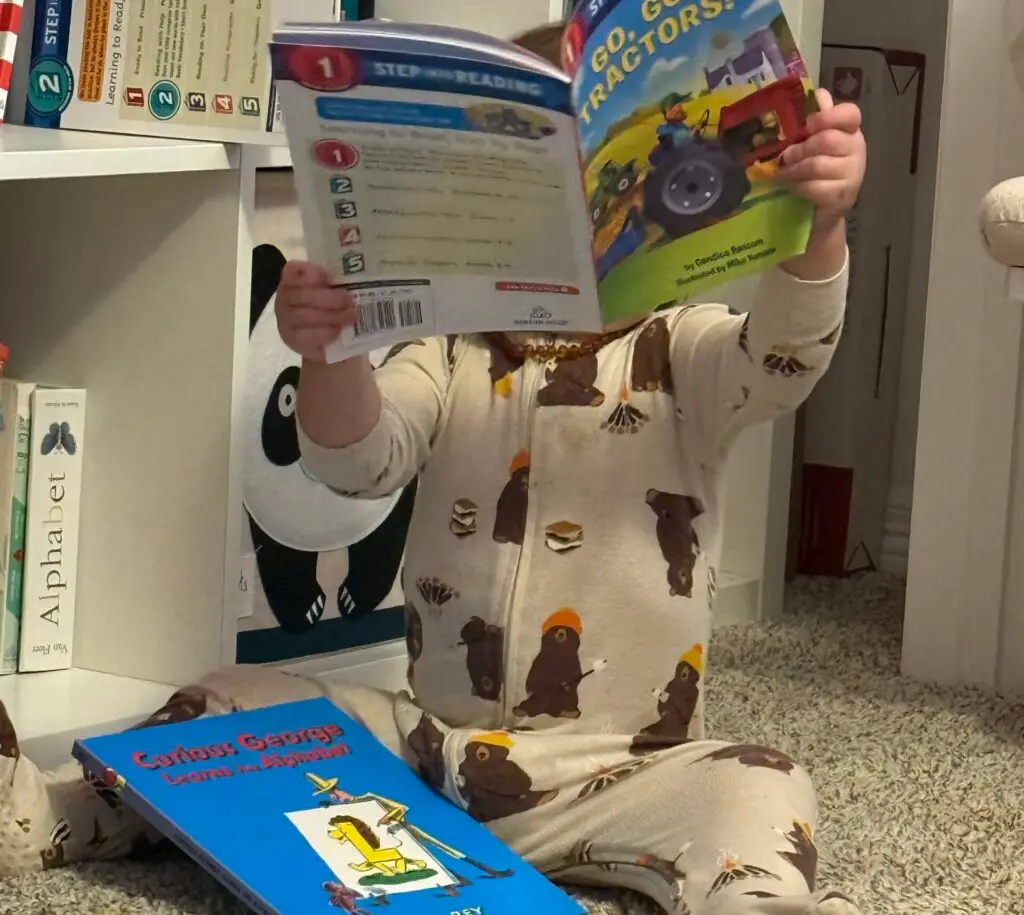
Daily Reading Matters Most
The American Academy of Pediatrics (AAP, 2014) recommends that parents read aloud every day starting in infancy.
It’s the frequency and consistency that matter more than hitting a strict quota of books.
Impact of Reading Daily
A study by Ohio State (Logan, Justice, Yumus, & Chaparro-Moreno, 2019) found that children who are read to 5 books a day enter kindergarten having heard 1.4 million more words than children who are rarely read to (“the million-word gap”).
Even 1 book a day exposes a child to about 290,000 more words by age 5 compared to children who are seldom read to.
Quality Over Quantity
Talking about the pictures, asking questions, and making connections are just as important as finishing the book.
A single book can spark lots of rich conversation if it’s interactive.
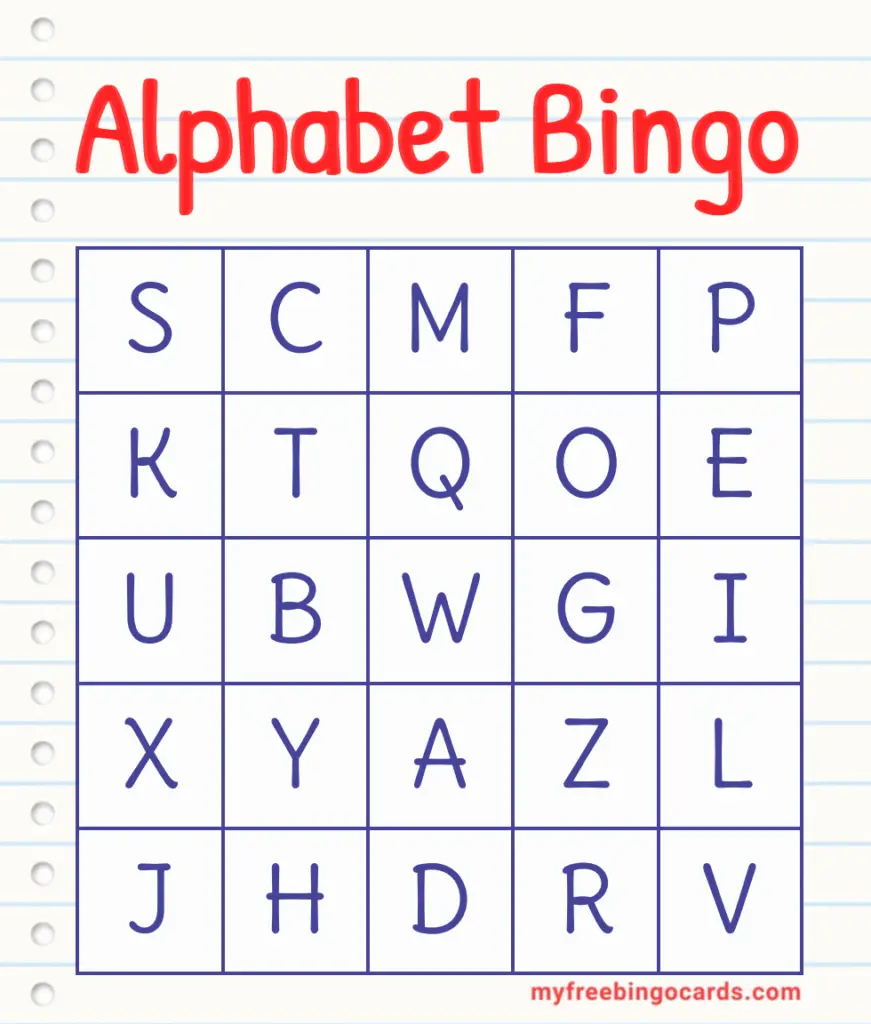
Here are some literacy activities to help you get started!
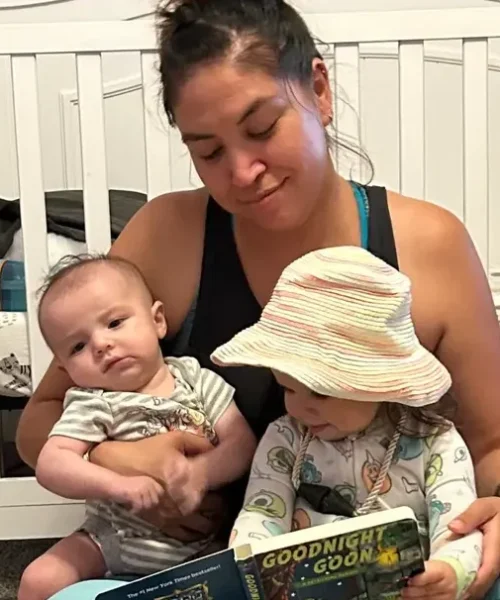
Sources and additional reading on the topics covered
Neuroscience of Early Learning
Shonkoff, J. P., & Phillips, D. A. (Eds.). (2000). From Neurons to Neighborhoods: The Science of Early Childhood Development. National Academies Press.
National Early Literacy Panel (NELP).
Developing Early Literacy: Report of the National Early Literacy Panel. Washington, DC: National Institute for Literacy, 2008.
Hart, B., & Risley, T. R. (1995).
Meaningful Differences in the Everyday Experience of Young American Children. Baltimore: Brookes Publishing.