What Should Preschool At Home Look Like

First let me say, I HATE the word “should.” When we think of what we, or someone else, “should” be doing it invites comparison, pressure, and judgment. For me, these are the exact things I want to get away from as a mom who homeschools. Coco Channel once said, “the only thing a woman should be is what she wants.” I feel the same about toddlers. The only thing a preschooler should be doing, is what gives them joy. Children come into this world as blank slates, there is not a second that goes by that they are not learning.

Preschoolers are Blank Slates

Imagine landing on a new planet filled with trees. These trees have glowing blue barks, sparkling leaves, and a fruit you have never seen that taste AMAZING! How would you explore? How would you feel? That’s what the world feels like to a toddler. Every new experience is truly new.

At this age, they don’t yet have mental frameworks (schemas) to interpret the world, so they learn constantly through their five senses. That means even on a day when it feels like you “did nothing,” your child absorbed hundreds of new lessons just by being alive and curious.

Bandit Heeler Born Yesterday
"Born Yesterday"

How Much Time Should Preschool Activities Take?

“Ok, OK, I get it but you DO have to teach things like the ABC’s, how to count, colors, shapes, and social skills or your children will be behind.” Yes of courseWhat many parents don’t realize though is that you do not have to do this using worksheets, flashcards, or formal curriculum. 

Children learn best through playing. I would argue adults also learn best when they are having fun and someone is not pressuring them. That said, there are plenty of short, age appropriate things you can do with your child each day that are play based, that will help them learn these skills without it feeling like you are trying to get a toddler to study for a final exam.


Sprinkle 2-3 activities into the day and between, let your child play-outside or have unstructured play time. Remember, they are still learning during these times even if you feel like they are not doing anything!

Learn through play teaching without stressing
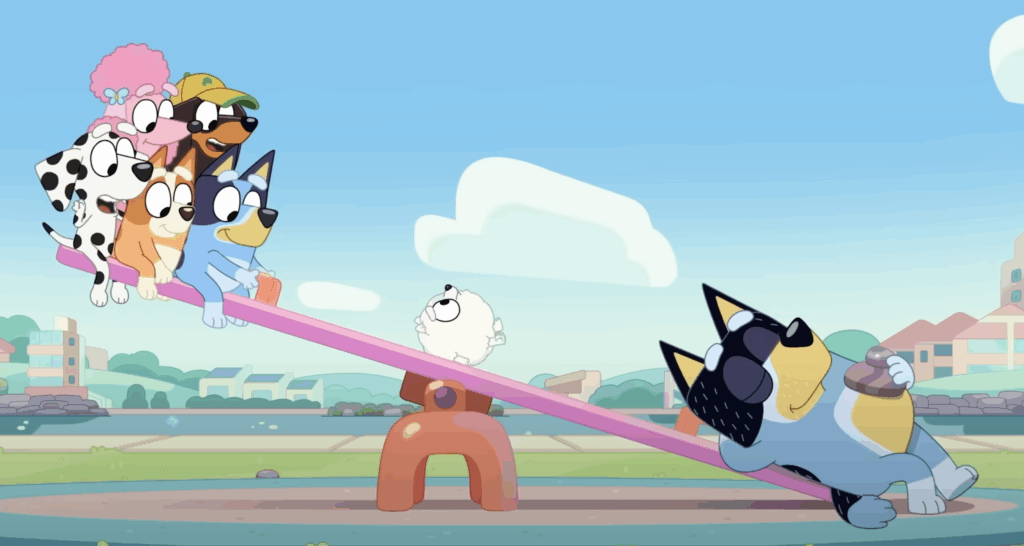
In "seesaw" Bandit teaches his kids that everyone has different attributes AND value, about physics, and about teamwork, all while relaxing and enjoying a sausage!

Breaking it down

The exact length a toddler can pay attention to an activity varies based on the child, the activity, and whether they’re interested:

  • The average used by child development experts is 2–5 minutes of attention per year of age for a single activity.
    • For a 3-year-old that is about 6-14 minutes.
    • For a 4-year-old that is about about 8–20 minutes.
  • The most recent studies in developmental psychology explain that the child’s interest and ability to interact with the activity are the leading factors in how long a child can do one activity. So, your 4-year-old can spend more time baking cookies or doing a puzzle than they can focus on a worksheet or “direct instruction.” This is why home-based-preschool is so beneficial. You have the freedom and time to do one on one activities that your child is interested in.

What you are doing matters WAY more than how long you spend doing it. 

  • Limit adult-led, highly structured activities such as worksheets or flashcards.
  • Focus on child led activities with minimal adult instruction such as giving a child shaving cream, some veggie based food dye, and a box, and see how what they create.
  • Remember the prefrontal cortex (responsible for self-regulation and sustained focus) is still immature at age 3-5. It wont fully develop until sometime in the mid 20’s for most people. Instead of planning 30-60 minutes of “homeschool preschool time,” sprinkle 2-3 activities into the day and between, let your child play-outside or have unstructured play time. Remember, they are still learning during these times even if you feel like they are not doing anything!
  • Most importantly- your child is learning to love learning during this time. If they are not interested in an activity, or get bored with it in half the time you planned for it, that is totally fine. Don’t force the activity to meet minutes. That will make it feel like “learning” is an obligatory, tedious activity. Focus on keeping the joy! And your peace, because who really wants to have a power struggle with a threenager!

Summary: most 3-5-year-olds can sustain focus for about 6–25 minutes on one activity, but this can stretch longer if they are deeply interested or the activity is interactive/play-based. Be flexible, take breaks, and don’t worry about how it “should” look or the “right” way to do it. 

Here Are Some Short, Fun Activities To Get You Started

img 0962
Create Your Own Story Ending
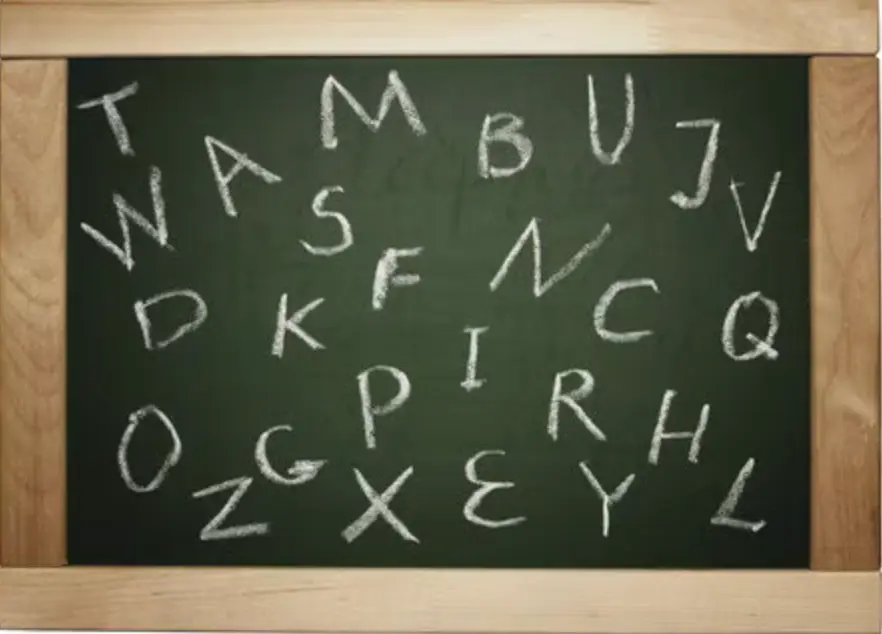
Letter Identification
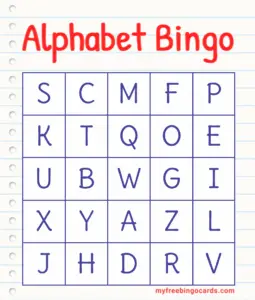
Letter Bingo- Get Ready To Get Active
Early Literacy Game
Alphabet Bingo-A Game of Bingo And A Scavenger Hunt In 1